
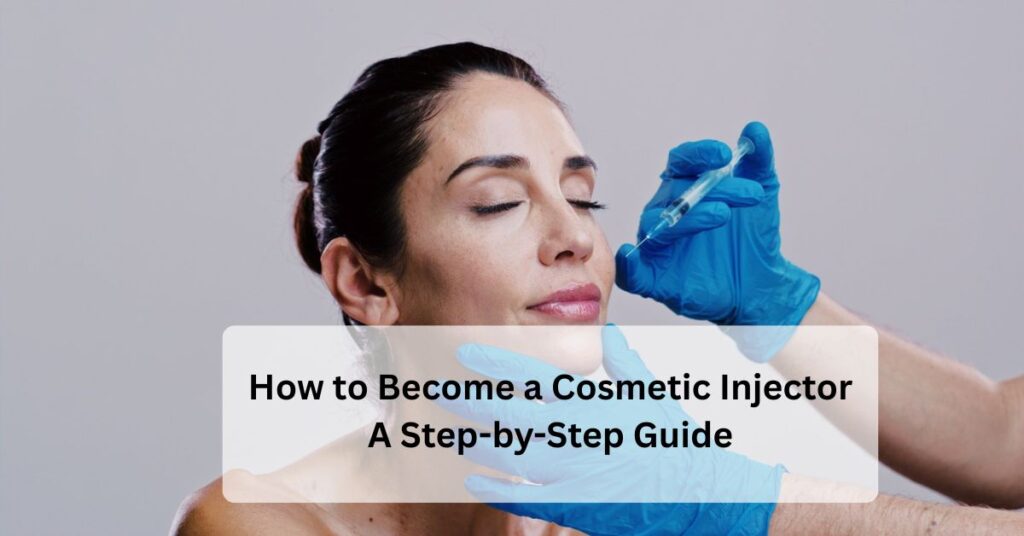
Becoming a cosmetic injector in Australia requires the right medical background followed by structured education and supervised clinical experience. With increasing interest in non-surgical facial treatments, cities such as Sydney and Melbourne have strong demand for qualified practitioners. This guide explains step by step how to become a cosmetic injector, what training you must complete, and what to consider before starting your career in medical aesthetics.
What Is a Cosmetic Injector
A cosmetic injector is a qualified healthcare professional trained to provide medical aesthetic treatments. These treatments focus on supporting facial balance, improving skin quality, and enhancing overall appearance. Cosmetic injectors work in clinics in Sydney, Melbourne, and across New South Wales, providing safe and professionally guided consultations and treatments.
The role involves conducting client consultations, assessing individual needs, planning treatments, ensuring safety, and providing follow-up care.
What Treatments Does a Cosmetic Injector Provide
Cosmetic injectors deliver non-surgical aesthetic treatments to improve facial proportions and skin health. These include treatments to address facial lines, support facial harmony, and enhance features in a safe and medically supervised way. Practitioners must always prioritise treatment safety and ensure proper assessment during consultations in Sydney, Melbourne, or other locations across Australia.
Who Can Become a Cosmetic Injector in Australia
In Australia, only healthcare professionals registered with the Australian Health Practitioner Regulation Agency (AHPRA) can perform cosmetic injecting. Eligible practitioners include Registered Nurses, Medical Doctors, Dentists, or Plastic Surgeons. All professionals must work within the scope of practice defined by AHPRA and comply with the latest regulatory guidelines.
For nurses, current AHPRA requirements include completing at least one year of foundational practice in their field, followed by 12 months in a related healthcare role before commencing cosmetic injector training. This consolidation period ensures patient safety and professional readiness.
Regulatory Bodies and Compliance Requirements
Cosmetic injectors must understand and follow regulatory frameworks. The Therapeutic Goods Administration (TGA) governs all prescription medicines and devices, while AHPRA oversees professional registration, scope of practice, and safe conduct. Practitioners in Sydney, Melbourne, or other regions must comply with these regulations at all times. All treatments should be presented in a factual, educational manner without using brand names or promotional claims.
Step-by-Step Guide to Becoming a Cosmetic Injector
Step 1: Hold a Recognised Medical Qualification
Before commencing injector training, you must be a registered healthcare professional. Registration with AHPRA allows you to work within your approved scope and deliver medical aesthetic treatments safely in Australia. Nurses, doctors, dentists, or plastic surgeons can undertake training once they meet the consolidation period requirement.
Step 2: Complete a Cosmetic Injector Course
Formal education is essential before performing any injectables or aesthetic treatments. Courses should cover facial anatomy, consultation skills, injection techniques, and safety protocols. Practical experience under supervision is a key component. Training is available in major cities including Sydney and Melbourne, providing accessible pathways for aspiring practitioners.
Step 3: Learn Consultation-Led Treatments
Training emphasises safe, consultation-led approaches rather than focusing on specific brands or product names. Practitioners learn to assess facial structure, identify suitable treatments for clients, and prioritise safety in every procedure.
Step 4: Understand Facial Anatomy and Safety
A deep understanding of facial anatomy is critical for safe practice. Training includes the structure of facial muscles, blood vessels, and landmarks that guide treatment. This knowledge ensures practitioners can perform treatments safely and respond appropriately to any complications. Safety is central to all practice in Sydney, Melbourne, and broader Australia.
Step 5: Gain Practical Experience in a Clinical Setting
Hands-on experience is vital for developing clinical confidence. Supervised practical sessions with experienced instructors allow trainees to practice techniques in a controlled and safe environment. This step prepares practitioners for work in professional clinics.
Step 6: Begin Working as a Cosmetic Injector
After completing training and supervised practice, practitioners may begin working in established clinics. Common roles include:
- Registered nurse injector
- Medical doctor injector
- Aesthetic nurse
- Facial aesthetics practitioner
Working in clinics provides exposure to consultations, treatment planning, and professional development in a structured environment.
How Long It Takes to Become a Cosmetic Injector
Becoming a cosmetic injector involves several stages. Medical qualification and registration with AHPRA are prerequisites. Trainees then complete a formal training program followed by supervised clinical experience. The timeframe varies depending on prior experience and the pace of training, with practical skill development continuing as practitioners gain professional experience in Sydney, Melbourne, or other locations.
Choosing the Right Training Path
When selecting a training provider, ensure the program aligns with AHPRA and TGA regulations. High-quality courses include facial anatomy education, supervised practical sessions, and guidance on regulatory compliance. The pathway should emphasise consultation-led practice, ethical conduct, and patient safety rather than promoting outcomes or aesthetic ideals.
Why Sydney and Melbourne Are Important Locations
Sydney and Melbourne are central hubs for medical aesthetic practice in Australia. These cities provide access to professional training, experienced mentors, and established clinics. Working in New South Wales or Victoria exposes practitioners to diverse patient populations and professional opportunities, supporting the development of a safe and responsible practice.
Conclusion
Becoming a cosmetic injector in Australia requires structured education, regulatory compliance, and ongoing professional development. Whether aiming to work as a registered nurse injector, doctor injector, or facial aesthetics practitioner, the pathway involves formal medical qualifications, approved training, and supervised clinical experience.
Aesthetics Consults is a recognised provider offering structured guidance and insights into safe, compliant cosmetic injector training. Their approach supports practitioners in understanding professional pathways, clinical standards, and ethical practice relevant to Sydney, Melbourne, and across Australia. By following these training and compliance standards, practitioners can build a career grounded in safety, professionalism, and patient care.